When a roof starts showing its age, the big question is whether a restoration will do the job or whether it is time for a full replacement. The right answer depends on the condition of the roof structure, not just how it looks from the street. Getting it wrong can mean paying twice: once for a restoration that doesn't last, and again for the replacement you needed all along.
This guide explains what each option involves, the signs that point one way or the other, and the questions worth asking before you spend any money.
What roof restoration involves
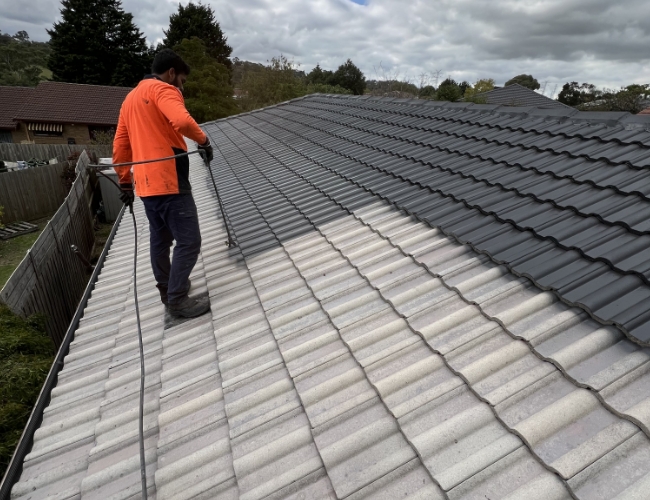
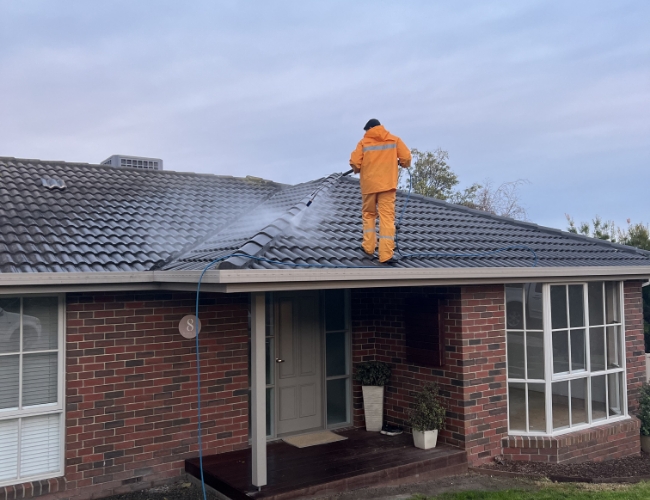
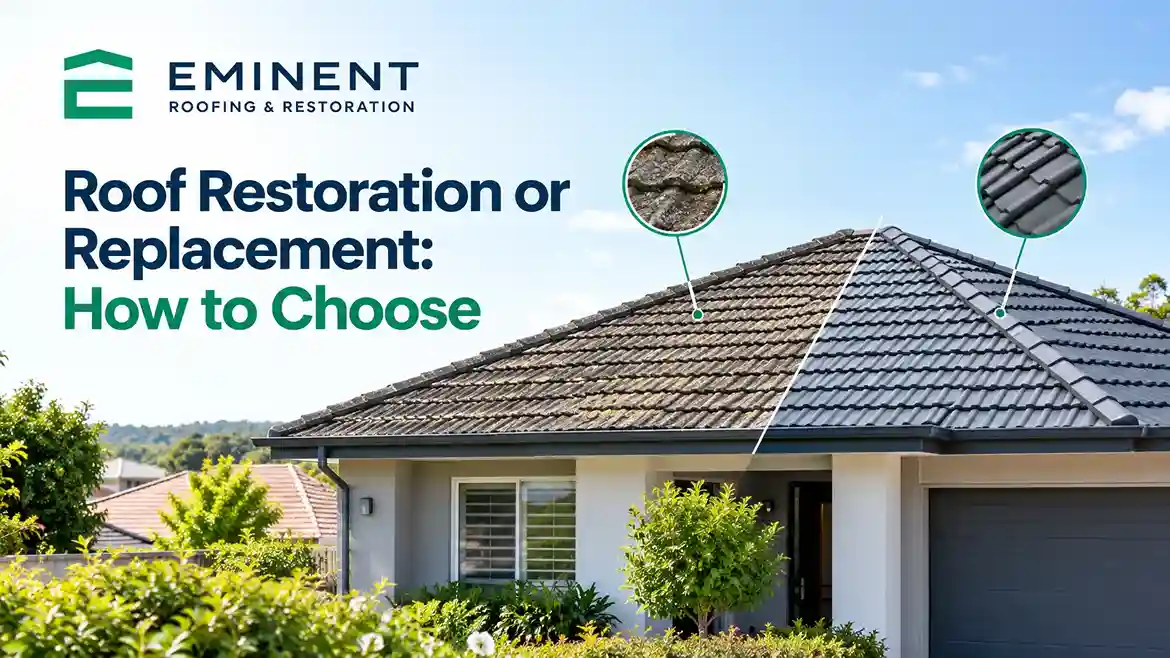
Restoration brings an existing roof back to a sound, good-looking condition without removing it. The work usually includes:
- Cleaning the roof to remove moss, lichen and built-up dirt
- Replacing cracked or broken tiles
- Re-bedding and re-pointing ridge capping
- Repairing or replacing damaged valleys and flashings
- Cleaning and clearing gutters and downpipes
- Applying a sealant or protective coating
Restoration suits roofs whose frame, battens and underlay are still in good shape and whose problems are mostly surface wear. Done well, it can add years of life to a roof and improve the look of the whole house. It is also less disruptive than a full re-roof, because most of the roof stays in place and the job is usually finished faster.
When replacement is the better choice
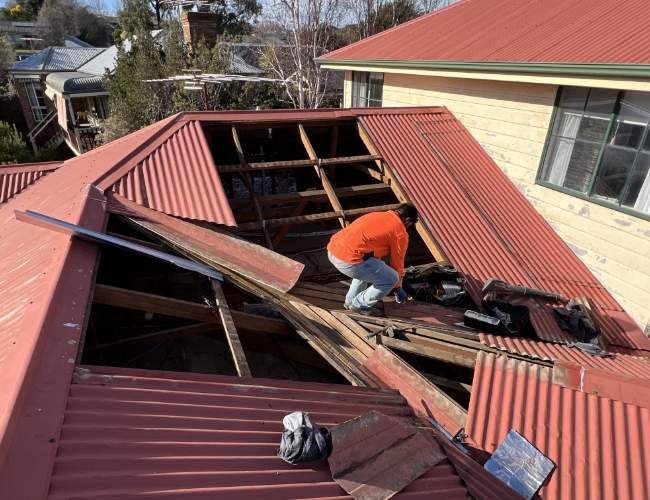
A full replacement makes sense when the damage goes deeper than the surface. Consider it if you notice:
- Widespread cracking, crumbling or brittle tiles
- A sagging roof line, which can point to structural problems
- Rusted or corroded metal sheets that keep leaking after repairs
- Repeated leaks in different parts of the roof
- Rotted or damaged battens and roof timbers
- Roofing materials that have reached the end of their expected life
In these cases, repeated patching can cost more over time than starting fresh. A new roof also gives you the chance to upgrade materials, add insulation and fix ventilation problems at the same time.
Why an inspection comes first
It is very hard to judge a roof from the ground. A professional inspection checks the tiles or sheets, flashings, gutters, ridge capping and the roof space for signs of water entry, such as stains, damp insulation or daylight coming through. You then get a clear picture of what the roof actually needs, rather than a guess.
Ask for a written quote that lists exactly what work is included, which materials will be used, and how long the job should take. Compare more than one option before you commit, and be cautious of any quote that offers a quick fix without explaining what was found during the inspection.
Common mistakes to avoid
- Painting over problems. A fresh coat of paint on cracked or damaged tiles hides the issue for a short time but does not solve it.
- Ignoring the gutters. Blocked or rusted gutters can send water back under the roof edge and cause damage that looks like a roof fault.
- Leaving small leaks. A minor drip is often the first sign of a larger problem, and water damage spreads quietly through ceilings and insulation.
- Choosing on price alone. Look at the scope of work, the materials and the experience of the team, not just the final number.
Don't wait for the next storm
Small faults become expensive fast once water gets into the roof space. If your roof is showing its age, book an inspection now and decide with the facts in front of you. Whether the answer is a careful restoration or a full replacement, a roof that is assessed early is almost always cheaper to look after than one that is left until it fails.
Five questions to ask before you decide
1. How old is the roof?
Age alone does not decide it, but older roofs are more likely to have hidden problems. A roof near the end of its expected life is usually a better candidate for replacement than restoration.
2. Where is the damage?
Isolated problems, such as a few broken tiles or one leaking valley, are often repairable. Widespread damage across the whole roof usually is not.
3. Is the roof structure sound?
Timber frames and battens should be checked for rot, termite damage or sagging. A beautiful new coating cannot fix a weak frame underneath.
4. How long will you stay in the home?
A restoration can extend roof life for years and is a sensible choice if you plan to sell in the medium term. A new roof is a longer-term investment that suits owners who plan to stay.
5. What does your budget allow?
Restoration generally costs less up front, while replacement can offer more years of trouble-free protection. The cheapest option today is not always the cheapest over ten or twenty years.