


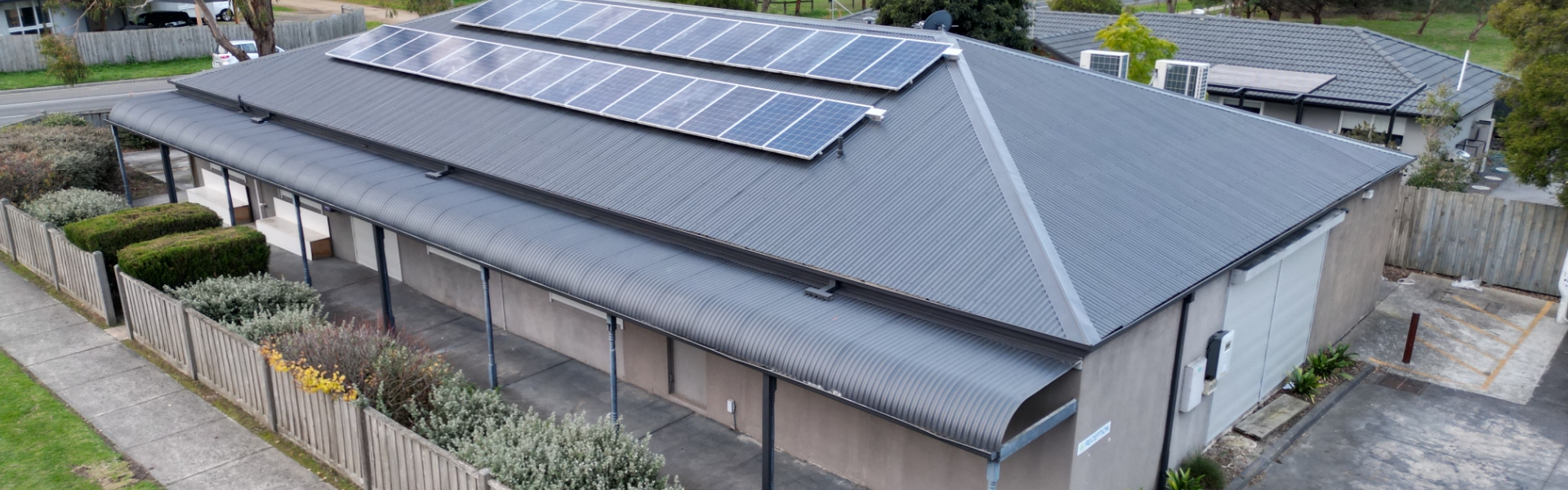
Roof Restoration Mount Waverley, VIC



Mount Waverley was orchard farmland until the 1950s, and the brick veneer streets that replaced the fruit trees went up through the 1960s and 1970s with concrete and terracotta tile on top. Those roofs are now the exact vintage where a roof restoration in Mount Waverley either buys the house another long stretch or, if the roof is further gone than it looks, deserves an honest conversation about replacement instead. Between the Pinewood pocket, the streets around Valley Reserve and the newer townhouse infill running Colorbond and membrane, there is a lot of variety on one map. Eminent Roofing has worked across the City of Monash since 2018, one small in-house team, no subcontractors. Call 0451 200 159 for a free inspection.

Why the Tile Stock Here Is at Restoration Age
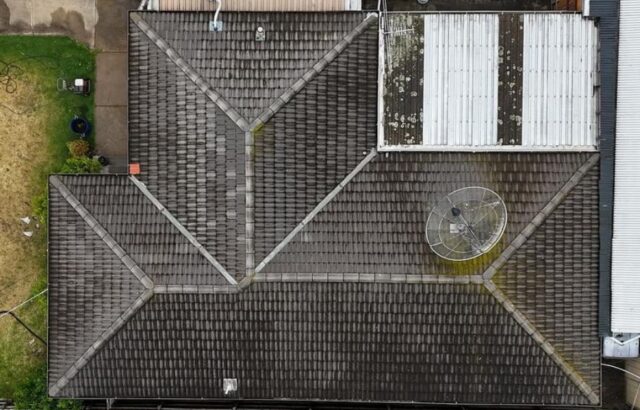
Drive from Pinewood Shopping Centre across to Mount Waverley Village and the pattern is hard to miss: low-pitch tile roofs, laid within a decade or two of each other, ageing at the same rate. Half a century of Melbourne weather does something predictable to concrete tile. The factory colour chalks off, the surface turns porous and starts holding moss on the southern faces, and the rigid ridge mortar cracks and lets water track underneath. The tiles themselves are usually still sound, which is why this generation of Monash roof restores so well.
What complicates it locally is the tree cover. The City of Monash protects canopy trees and trees within Vegetation Protection Overlay areas, and a permit is generally required to remove or lop them. Large river red gums, Eucalyptus camaldulensis, grow on blocks through this suburb and council actively protects them. Good policy for the street, and a real factor for the roof: shade slows drying, limbs drop litter into valleys and gutters, and lopping your way out of it is not an option most owners have. Around Damper Creek Reserve and the streets near the station on the Glen Waverley line that shows up plainly.
What Drives the Cost of the Job
There is no price on this page, because a roof cannot be quoted honestly without someone standing on it. What actually moves the cost:
- Roof size and pitch. A large single-storey roof takes more material than a compact two-storey one, but the two-storey costs more to reach safely.
- Material. Concrete tile, terracotta, Colorbond and membrane are four methods with four consumable lists.
- How many tiles need replacing, counted at the inspection rather than guessed at.
- How much bedding and pointing has failed, and whether ridge caps need rebedding or only repointing.
- Whether battens or timber underneath need work, which sometimes only shows after the clean.
- Access. Protected river red gums over the roofline change where scaffold can stand.
Once the inspection is done, the itemised quote reaches you in writing and costs nothing. If the roof only needs a repair, that is what it will say.

For your complete peace of mind, Eminent Roofing & Restoration is a fully licensed and insured business. We carry comprehensive public liability insurance, and our team holds all necessary Victorian qualifications and licenses.

We stand behind our work. Every job is backed by our straightforward, written guarantee on both materials and workmanship. No confusing fine print, just our commitment to a lasting, quality result.

We believe in total transparency. You'll receive a detailed, itemised quote so there are no surprises. We respect your time by arriving when we say we will, and we guarantee to leave your property clean and tidy.

We use industry-leading equipment and premium materials that meet Australian Standards. This ensures a superior, more durable finish that withstands Melbourne's harsh weather, protecting your investment for years to come.


What Actually Happens During the Restoration on a Mount Waverley Roof
The whole sequence is carried out by our own crew, in order.
We inspect and photograph first, then the tiled roof gets a high-pressure clean that strips moss, lichen and the chalked-off coating back to a sound surface. Cracked and broken tiles are replaced with matched stock, counted at the inspection and listed on the quote.
Ridge caps are rebedded on fresh mortar and then flexibly repointed, so they move with the roof through a hot summer instead of cracking apart the way the original rigid mortar did. The gables get the same attention, gable repointing and bedding written into the quote, because on these orchard-era rooflines that mortar sits in full afternoon sun and turns brittle years ahead of the rest. Galvanised clips are fitted under the tiles along those edges so a gusty change cannot lift them.
With the roof clean, the timber is visible, and batten replacement gets settled here. Where battens have gone soft under long-term damp they are replaced, because there is no sense coating a roof whose battens are giving way underneath.
Weep holes are drilled where water has been trapped with nowhere to drain, common on the older tile roofs here where mortar has closed off the path water used to take. Every joint and flashing is then resealed.
Along the verge, barge capping is refitted and any bargeboard that has gone spongy behind the gutter line is replaced, timber that half a century under red gum litter tends to find. A storm seal is laid through the valleys as well, which counts for more on a low-pitch Monash roof where water crawls rather than runs and leaf sits in the channel instead of washing clear.
Ventilation is worth raising on this housing stock. Where a roof space is not breathing and insulation is holding heat and moisture under the tiles, whirlybird installation gives it a way out. We do not add it to every quote, but on a shaded 1970s roof with a stuffy cavity it does real work.
Finally, a sealer coat soaks into the surface and a genuine three-coat system goes over it. Three coats, written as three. Gutters are cleared and the property left tidy.
Restore, Repair or Replace in Mount Waverley
Restoration is the right answer only when the roof underneath is still sound, and across most of Mount Waverley’s tile stock it is. A roof that is faded, porous and shedding pointing is a restoration. A roof with a couple of slipped tiles and one leaking flashing is a repair, and it is dishonest to dress that up as anything bigger.
Replacement is the correct call when the material itself has broken down: tiles crumbling across the roof, battens gone through, a deck that will not carry the load. No coating fixes that. What you get from us is the read, the photographs behind it, and the smallest option that genuinely solves the problem.

Working Safely on Local Rooflines
Most of the older houses here are single storey with a low pitch, which sounds easy and still is not a place to work unanchored. The crew works in harness, sets safety rails along the edges and puts up scaffolding wherever a two-storey infill build or a steeper pitch calls for it. On blocks with protected canopy trees, safe access is also a planning problem: limbs restrict where a ladder or scaffold can sit and where debris can fall, and none of that is solved by cutting a branch off. We work it out at the inspection.
Mount Waverley Restorations and the 10-Year Workmanship Warranty
Every restoration we finish carries a 10-year workmanship warranty, in writing. It covers the bedding, the pointing, the flashing and sealing work and the three-coat painting system. If any of it fails because of how the work was done, we come back and put it right. Coating manufacturers carry their own separate product warranties, set out in the quote next to our workmanship cover.

Mount Waverley: Matching the Method to the Material
Concrete tile is the dominant roof here and takes the full sequence: clean, tile replacement, rebedding, repointing, sealer and three coats.
Terracotta, on the mid-century homes that have it, is not painted the same way. The colour is fired into the tile, so where the glaze is sound it is cleaned gently and resealed with a product suited to a glazed surface.
Colorbond on the newer townhouses has no pointing in it at all. Rust is treated before it spreads, rusted sheets and rusted screws are replaced, joints and flashings resealed, and the recoat is built to move with steel. Our team holds a trade Certificate IV in Engineering, the grounding behind the metal side. Membrane roofs on the flat and low-pitch new builds are their own thing again, assessed on the day.
Who Does the Work in Mount Waverley: Eminent Roofing & Restoration
Founded by Avi Sandhu in 2018, Eminent Roofing & Restoration still runs as a family business. Our eight in-house tradespeople have finished more than 1,500 roof projects through Melbourne’s east and south-east, work that rates 4.9 across 82 Google reviews. There are no subcontractors, so the person who quotes your Mount Waverley roof is one of the people who works on it, which is a fair part of why about 80% of our new work arrives by referral and 99% of our customers come back. The full scope is on our roof restoration page, and if leaf load under those big gums is the problem we also handle gutter cleaning in Mount Waverley. We are at 15 Botham Crescent, Pakenham VIC 3810, ABN 95 670 066 207, Mon to Sat 7:30am to 5:30pm.
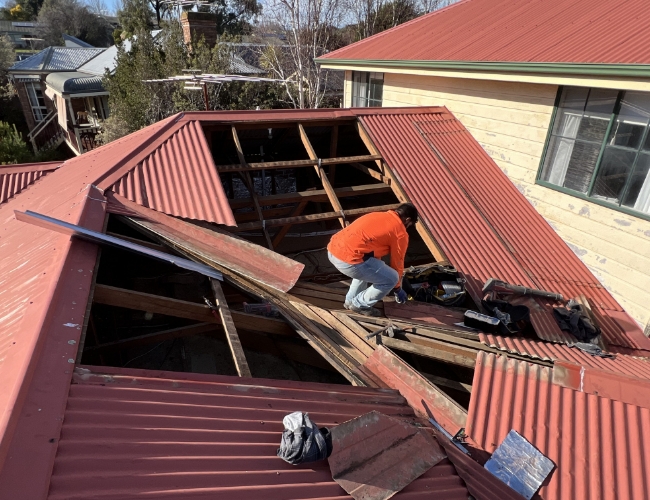
Book a Free Mount Waverley Roof Inspection
If your roof has gone chalky, patchy or green on the shaded side, it is worth knowing what you are dealing with before anyone quotes a number. Book a free inspection and you will get photographs, a straight recommendation and an itemised quote you can compare line for line. Call 0451 200 159 or enquire online.



- Roof Restoration Bayswater
- Roof Restoration Beaconsfield
- Roof Restoration Berwick
- Roof Restoration Blackburn
- Roof Restoration Box Hill
- Roof Restoration Cardinia
- Roof Restoration Carrum Downs
- Roof Restoration Clayton
- Roof Restoration Cranbourne
- Roof Restoration Croydon
- Roof Restoration Dandenong
- Roof Restoration Drouin
- Roof Restoration Endeavour Hills
- Roof Restoration Ferntree Gully
- Roof Restoration Frankston
- Roof Restoration Garfield
- Roof Restoration Glen Iris
- Roof Restoration Glen Waverley
- Roof Restoration Hallam
- Roof Restoration Harkaway
- Roof Restoration Keysborough
- Roof Restoration Knoxfield
- Roof Restoration Langwarrin
- Roof Restoration Lilydale
- Roof Restoration Malvern
- Roof Restoration Mount Evelyn
- Roof Restoration Mount Waverley
- Roof Restoration Narre Warren
- Roof Restoration Pakenham
- Roof Restoration Ringwood
- Roof Restoration Rowville
- Roof Restoration Seaford
- Roof Restoration Skye
- Roof Restoration Springvale
- Roof Restoration Wantirna
- Roof Restoration Warragul
Roof Restoration in Mount Waverley: Common Questions
Is a 1970s concrete tile roof really worth restoring?
Usually, yes. The tiles laid across these streets are mostly still sound; it is the coating and pointing that have aged out. Cleaning, repairing and recoating restores the weather seal for far less than replacing a sound roof.
Will you need to cut back my trees to do the work?
No. Monash protects canopy trees and trees in Vegetation Protection Overlay areas, and lopping generally needs a permit, which is not something we deal with. We plan access around what is there.
Do I need a whirlybird?
Only if your roof space needs it. If the cavity is stuffy, the insulation damp or heat building under the tiles, ventilation helps. If it is already breathing, adding one achieves little and we will say so.
What if you find rotten battens once the roof is cleaned?
We show you, with photographs, before anything else happens. Batten replacement is priced as its own line rather than absorbed quietly.